

Financial Literacy: Mastering Your Financial Future
Financial literacy isn’t just a buzzword—it’s the foundation upon which we build our financial independence and success. In today’s rapidly evolving economic landscape, understanding how to manage money, budget effectively, and invest wisely is crucial. Whether you’re just starting on your financial journey or looking to enhance your existing knowledge, this comprehensive guide will walk you through every facet of financial literacy. We’ll explore the basics, dive into advanced strategies, and highlight actionable tips so you can transform your financial future.
Other Guides You May Like Similar to Financial Literacy from Oddball Wealth:
- Personal Finance 101
- Budgeting and Saving Money 101
- Credit Cards 101
- Debt Management 101
- Financial Calculators 101
Introduction to Financial Literacy
Financial literacy encompasses the knowledge and skills needed to make informed decisions regarding personal finance. In simple terms, what is financial literacy? It’s the ability to understand and use various financial skills, including budgeting, saving, investing, and managing debt. Without these skills, navigating the complexities of modern financial systems can feel like trying to solve a puzzle in the dark.
The Significance of Financial Knowledge
Our personal and professional lives are intertwined with financial decisions. From paying bills and managing credit to investing in our future, every action we take impacts our financial well-being. But why is financial literacy so important? Simply put, it empowers us to take control of our financial destiny. With a clear grasp of basic financial principles, we can set realistic goals, avoid unnecessary debt, and build a secure financial future.
Introduction to Personal Finance
Before diving deeper, it’s essential to understand the introduction to personal finance. This field covers everything from day-to-day money management to long-term wealth building. It provides us with the tools to answer important questions like why is financial important in our lives and how we can use financial education to make smarter decisions.
Understanding the Basics of Financial Literacy
Building a strong financial foundation starts with mastering the basics. Let’s break down the core components of financial literacy and see how they interconnect.
What is Financial Literacy?
Financial literacy is the ability to comprehend and apply financial principles to manage personal finances effectively. In our journey toward financial freedom, understanding what is financial literacy is the first step. It’s not merely about knowing how to balance a checkbook; it’s about building a framework for decision-making that can last a lifetime.
Core Components of Financial Literacy
Financial literacy is comprised of several key elements:
- Budgeting: Planning and tracking income and expenses.
- Saving: Setting aside funds for future needs.
- Investing: Allocating money in various assets to generate returns.
- Debt Management: Navigating loans, credit cards, and other forms of debt responsibly.
- Financial Planning: Setting long-term goals and creating strategies to achieve them.
Understanding these components is akin to having a map when setting out on a cross-country road trip; without it, we’re likely to lose our way.
The Importance of Financial Literacy
Our financial decisions shape our lives, affecting everything from our lifestyle to our long-term stability. This section delves into why embracing financial literacy is essential.
Why Financial Literacy Matters
Financial literacy equips us with the confidence to make informed decisions. With this knowledge, we can:
- Avoid costly mistakes: Knowledge of personal finance definition helps prevent decisions that could jeopardize our financial health.
- Plan for emergencies: A solid understanding of money management ensures that we’re prepared for unexpected challenges.
- Invest wisely: Learning the intricacies of budgeting and investing can set us on a path toward wealth accumulation.
When we grasp these principles, managing our money becomes as intuitive as following a well-trodden path.
Impact on Personal and Business Life
The benefits of financial literacy extend beyond personal finance. For business owners, having strong financial acumen is crucial. A well-informed approach to financial management can help steer a business through challenging times and lay the groundwork for sustained growth. Consider the role of financial literacy for business owner course affordable—it opens up opportunities for entrepreneurs to better understand cash flow, manage expenses, and invest in growth strategies.
Building a Strong Financial Foundation
A solid financial foundation is built on disciplined budgeting, effective saving strategies, and prudent investment decisions. Let’s examine the pillars that support our financial well-being.
Budgeting and Money Management
Budgeting is the cornerstone of financial stability. It involves planning your income, tracking your expenses, and ensuring that your spending aligns with your financial goals.
Money Management Definition
To start, we must grasp the money management definition: it’s the art and science of planning and controlling your financial resources effectively. Think of it as tending to a garden—you must nurture it consistently for it to flourish.
Tools and Worksheets for Budgeting
Using the right tools can simplify the process:
- Digital Spreadsheets: Use programs like Excel or Google Sheets.
- Budgeting Apps: Many mobile apps help track spending.
- Bullet Journals: Traditional methods work just as well.
- Resources: Download a money management pdf or use money management printable worksheets for a structured approach.
- Money Program: Consider joining a money program that offers interactive budgeting tools.
These tools serve as the seeds that, when nurtured, grow into a robust financial plan.
Saving, Investing, and Debt Management
Once we have a budget, the next step is to ensure that we save, invest, and manage debt wisely.
- Saving: Establish an emergency fund and save for future goals.
- Investing: Start with small investments to build confidence. Over time, diversify your portfolio to minimize risk.
- Debt Management: Develop strategies to manage and reduce debt. Understanding debt can be the difference between sinking and swimming in turbulent financial waters.
When we manage our savings, investments, and debt effectively, we’re not only protecting our current assets but also paving the way for future success.
Financial Education: From Classroom to Real World
Formal education in financial literacy is essential, but self-directed learning plays an equally important role.
Personal Finance Classes and Workshops
Educational institutions increasingly recognize the need for financial literacy. Courses like personal finance class high school and finance 101 class provide foundational knowledge that lasts a lifetime.
Classroom Learning:
- Structured Curriculum: Courses are designed to cover key topics such as budgeting, saving, and investing.
- Real-world Applications: Students learn through simulations and practical exercises.
- Expert Instructors: Experienced professionals guide students through the nuances of financial decision-making.
Self-Study and Online Courses
For those who prefer self-paced learning, a wealth of financial education resources is available online. Numerous finance articles for students and interactive courses can help demystify complex financial topics. Enrolling in a financial literacy course can provide structured guidance and a roadmap to success.
Essential Financial Statements and Analysis
Understanding financial statements is fundamental to both personal and business finance. These documents provide a snapshot of financial health and performance.
Understanding Financial Statements
Financial statements such as income statements, balance sheets, and cash flow statements reveal the inner workings of an organization’s finances. Learning how to read these documents is akin to learning a new language—one that speaks volumes about success and failure.
Accounting Financial Statements
A key component in this learning process is understanding accounting financial statements. These documents include:
- Balance Sheets: They summarize assets, liabilities, and equity.
- Income Statements: They detail revenue and expenses over a specific period.
- Cash Flow Statements: They track the flow of cash in and out of a business.
Analyzing Financial Statements
Beyond reading, the ability to interpret these documents is crucial. Analyzing financial statements involves:
- Identifying trends in revenue and expenses.
- Comparing performance across periods.
- Making informed projections based on historical data.
This skill is essential for both individual investors and business managers who seek to understand the dynamics behind the numbers.
Example of Income Statement
Consider an example of income statement that outlines a company’s revenue, cost of goods sold, gross profit, operating expenses, and net income. Such an example can provide clarity on how companies operate and reveal the health of their business practices.
The Balance Sheet Reports
We can’t forget the balance sheet reports. These statements offer a comprehensive view of a company’s financial standing, detailing what it owns versus what it owes. Mastering these concepts allows us to make more informed financial decisions.
Financial Management and Planning
Effective financial management is not just about keeping track of expenses—it’s about strategic planning for a secure future.
Defining Financial Management
One of the first steps is to define financial management. It is the systematic process of planning, organizing, directing, and controlling financial activities. This process ensures that our financial resources are used efficiently and align with our long-term goals.
Primary Goal of Financial Management
The primary goal of financial management is to maximize wealth and ensure sustainable growth. Whether we’re managing personal finances or a business’s resources, the objective is to create value over time. By setting clear financial objectives and monitoring progress, we can avoid pitfalls and seize opportunities.
Tools for Effective Management
Leveraging modern technology is essential. Today, many use finance management software to streamline budgeting, expense tracking, and forecasting. These tools help us see the big picture and make informed decisions quickly.
Furthermore, knowing what is fiscal management—the management of funds by governments, institutions, or individuals—can provide additional insights into broader economic trends and personal financial strategies.
Navigating Through Financial Tools and Resources
In the digital age, numerous tools and resources are available to enhance our financial literacy and empower us with the necessary skills to manage our money effectively.
Digital Financial Education Resources
The internet has revolutionized how we learn about money. From financial websites that offer real-time updates to blogs and forums where experts share insights, the opportunities for learning are endless. We encourage you to explore various financial education resources that can help deepen your understanding and keep you informed.
Multimedia Learning: Videos and Books
For those who prefer visual or auditory learning, financial videos and personal finance books are excellent resources. These materials provide in-depth discussions and practical examples that can clarify even the most complex topics. In fact, many consider the best book on financial literacy as a must-read to build a strong foundation in money management.
- Recommended Resources Include:
- Engaging video tutorials on budgeting and investing.
- Comprehensive books covering personal financial education.
- Interactive courses that transform traditional learning into dynamic experiences.
This blend of resources can cater to different learning styles and reinforce key financial concepts.
Advanced Concepts in Financial Literacy
Once we’re comfortable with the basics, it’s time to elevate our understanding with advanced topics that delve deeper into the mechanics of finance.
Mastering Finance Vocabulary
A strong command of finance vocabulary words is essential for navigating financial discussions confidently. Just as a doctor must understand medical terminology, we must familiarize ourselves with terms that underpin everyday financial decisions.
Unpacking Financial Statistics and Scary Financial Facts
Sometimes, the numbers can be daunting. Financial statistics offer valuable insights into trends and patterns, yet they can also reveal scary financial facts—warning signs that we might be headed down a risky path if we’re not careful. These statistics can serve as both cautionary tales and motivation to improve our financial strategies.
Understanding these advanced concepts is like learning to read the stars for navigation; once you know what to look for, you can steer your financial ship with confidence.
Real-World Applications of Financial Literacy
Bridging theory and practice is crucial. Let’s look at how financial literacy translates into real-world applications.
Personal Financial Services
Every day, we rely on a myriad of services designed to help us manage our money. Personal financial services include banking, insurance, and advisory services. These services are integral to maintaining our financial health and planning for the future.
Personal Financial Management Services
Beyond basic services, personal financial management services offer tailored solutions to help us track spending, set budgets, and achieve our goals. Whether through apps or professional advisors, these services are a vital part of the modern financial ecosystem.
Leveraging Professional Advice
Sometimes, the complexity of financial decisions necessitates professional guidance. Searching for financial advisors near me for beginners can be a game-changer. Expert advice can demystify complex concepts and guide you through making sound decisions. Additionally, for those who seek ongoing support, engaging with professionals who offer personal financial management services ensures that you’re always one step ahead.
Financial Literacy in Business
The principles of financial literacy are just as critical for business owners as they are for individuals. A well-informed approach to financial management can set the stage for long-term success.
Empowering Business Owners
Business owners benefit immensely from a robust understanding of finance. Courses like financial literacy for business owner course affordable can empower entrepreneurs to navigate challenges, optimize cash flow, and drive sustainable growth. Knowledge in this area is not just beneficial—it’s essential.
Case Studies and Practical Examples
Example of Finance
Let’s consider an example of finance in action. Imagine a small business owner who meticulously tracks expenses, reviews the balance sheet reports, and implements a structured budgeting system. By applying financial literacy, this owner is better positioned to invest in growth opportunities and weather economic storms.
Success in Money
Stories of success in money often begin with a clear understanding of financial principles. Through careful planning and disciplined execution, many have turned modest beginnings into thriving enterprises. These stories serve as a testament to the power of financial literacy and its transformative impact.
Practical Financial Literacy Tips and Advice
While theoretical knowledge is vital, practical tips and everyday advice help us implement these concepts in real life.
Actionable Financial Literacy Tips
Here are some financial literacy tips to integrate into your daily routine:
- Create a budget: Track every dollar spent.
- Set savings goals: Aim for both short-term and long-term objectives.
- Invest wisely: Diversify your portfolio to reduce risk.
- Educate yourself: Read finance articles for students and keep abreast of new trends.
- Monitor your credit: Regularly review your credit reports to ensure accuracy.
Financial Advice and Support
Navigating financial decisions can sometimes be overwhelming. That’s why it’s beneficial to seek financial advice banks or consult with experts. For beginners, resources such as financial advisors near me for beginners provide accessible guidance tailored to your needs. Their insights help break down complex topics into manageable steps, ensuring you’re never left in the dark.
Overcoming Financial Challenges
Even the most prepared among us face financial hurdles. Recognizing and overcoming these challenges is part of the journey toward financial empowerment.
Common Financial Pitfalls
Understanding common mistakes can help us avoid repeating them. Some pitfalls include:
- Overspending: Without a budget, it’s easy to fall into the trap of living beyond one’s means.
- Accumulating Debt: Poor debt management can quickly spiral out of control.
- Lack of Investment: Failing to invest can result in missed opportunities for growth.
- Neglecting Savings: Not having an emergency fund leaves you vulnerable during crises.
By identifying these challenges, we can take proactive steps to mitigate risks and steer our financial course in the right direction.
How to Improve Financial Health
Improving your financial health is an ongoing process. Regularly review your budget, adjust your financial goals, and learn new strategies. Explore tips on how to improve financial health through dedicated reading, courses, and real-world application. With persistent effort, you can overcome obstacles and build a resilient financial future.
Innovations and the Future of Financial Literacy
The future of financial literacy is intertwined with technology and innovation. Digital advancements are revolutionizing the way we learn about and manage money.
Modern Trends in Financial Education
The digital era has ushered in a new wave of financial tools:
- Mobile Apps: These provide instant access to your accounts and budgets.
- Online Courses: Many platforms now offer comprehensive learning finance for beginners modules.
- Interactive Simulations: These tools let you practice financial decision-making in a risk-free environment.
Free Financial Planning and Support
In today’s interconnected world, opportunities for free financial planning are more abundant than ever. Numerous online platforms offer free tools, webinars, and resources to help you chart your financial course without incurring hefty fees.
The Role of Digital Media
Digital media, including financial videos and online articles, makes complex financial topics accessible to a broader audience. These resources are designed to break down sophisticated concepts into digestible pieces of information, ensuring that even the most intricate ideas are easily understood.
Financial Literacy Conclusion: Your Path to Financial Empowerment
In wrapping up, financial literacy is the key that unlocks the door to financial freedom. From understanding personal finance definition to mastering budgeting and investing, every step we take is a step toward a brighter financial future. We’ve journeyed through the basics of money management, explored advanced strategies, and provided actionable tips that you can implement right away.
As we conclude, remember that building financial literacy is not a one-time event—it’s a lifelong journey. Each decision you make is like a brick in the foundation of your financial stability. Embrace the challenge, learn continuously, and never be afraid to seek guidance when needed. The road to financial empowerment is paved with knowledge, discipline, and the courage to take control of your financial destiny.
Empower yourself with information, utilize the resources available—like personal financial education platforms and finance management software—and step confidently into a future where your financial goals are well within reach. Let’s take this journey together, armed with insight, determination, and the drive to succeed.
Financial Literacy – Frequently Asked Questions (FAQs)
1. What is financial literacy?
Financial literacy is the ability to understand and effectively use various financial skills, including budgeting, saving, investing, and managing debt. It empowers individuals to make informed decisions, manage their money wisely, and secure a better financial future.
2. How can I improve my financial health?
Improving financial health starts with creating a realistic budget, building an emergency fund, and learning how to invest wisely. Regularly reviewing your financial plan and seeking guidance—such as from financial advisors near me for beginners—can also significantly improve your financial well-being.
3. What are the best resources for personal financial education?
There are many excellent resources available, including personal finance books, online courses, finance articles for students, and interactive tools like money management printable worksheets. Exploring these resources can provide a robust foundation in personal financial management.
4. How do financial statements impact budgeting and planning?
Understanding financial statements—such as accounting financial statements and analyzing financial statements—is crucial for effective budgeting. These documents help us see where money is coming from and going, enabling us to make better financial decisions and optimize our spending and saving strategies.
5. Where can beginners find free financial planning tools?
Beginners can access various free financial planning tools online. Websites offering free financial planning resources, along with educational videos and articles, provide practical guidance. Additionally, platforms that offer introduction to personal finance courses or personal finance class high school materials are excellent starting points for building financial literacy.
Additional Key Financial Concepts
To ensure our financial literacy journey is all-encompassing, let’s revisit some key phrases and concepts that are essential for mastering finance:
- what is financial literacy: This question underpins the entire discussion of managing money wisely.
- accounting financial statements: These documents are the backbone of financial analysis.
- analyzing financial statements: The skill of interpreting data is crucial for sound decision-making.
- basic financial: Fundamental principles that every individual should know.
- define financial management: Understanding how to allocate resources efficiently.
- example of finance: Real-world scenarios that illustrate financial principles.
- example of income statement: A breakdown of how income and expenses are managed.
- finance 101 class: Introductory courses that set the stage for deeper financial understanding.
- finance articles for students: Written resources that simplify complex concepts.
- finance management software: Digital tools that streamline financial planning.
- finance vocabulary words: Essential terms that empower you to navigate financial discussions.
- financial advice banks: Guidance from financial institutions to help manage money.
- financial advisors near me for beginners: Accessible professional advice tailored for those just starting out.
- financial education resources: A wealth of tools and information available to enhance your knowledge.
- financial information: The data that informs your financial decisions.
- financial literacy course: Structured programs designed to build your financial acumen.
- financial literacy for business owner course affordable: Courses that make financial education accessible for entrepreneurs.
- financial literacy tips: Practical advice to help navigate everyday financial challenges.
- financial statistics: Numbers and trends that highlight the state of our economy.
- financial videos: Visual content that simplifies learning complex financial topics.
- financial websites: Online portals offering insights, tools, and resources.
- free financial planning: Tools and advice available at no cost.
- how to improve financial health: Strategies to boost your overall financial well-being.
- introduction to personal finance: The starting point for any financial education journey.
- learning finance for beginners: Courses and materials designed with novices in mind.
- money management definition: The principles of effectively handling one’s financial resources.
- money management pdf: Printable resources that assist in planning your finances.
- money management printable worksheets: Tools that help you track and manage your money.
- money program: Structured systems aimed at improving your financial habits.
- personal finance books: Written guides that provide in-depth financial education.
- personal finance class high school: Courses aimed at introducing young minds to financial principles.
- personal finance definition: The concept of managing one’s income, expenses, savings, and investments.
- personal finance questions: Queries that help clarify complex money matters.
- personal finance statistics: Data that reflects trends in individual financial behavior.
- personal financial education: Learning strategies that focus on managing personal money.
- personal financial management services: Professional services that help individuals navigate financial complexities.
- personal financial services: Broad services available to assist with everyday money management.
- primary goal of financial management: The ultimate aim of maximizing wealth and ensuring stability.
- scary financial facts: Eye-opening statistics that emphasize the importance of sound money management.
- success in money: Achieving financial stability and growth through informed decisions.
- the balance sheet reports: Key financial documents that summarize assets and liabilities.
- the best book on financial literacy: Must-read literature for anyone serious about mastering personal finance.
- what is fiscal management: The overarching approach to managing public and private funds.
- why is financial important: Understanding the critical role that money plays in every aspect of our lives.
Embracing these concepts will help us navigate the complexities of modern finance with confidence and clarity. As we move forward, let’s remember that financial literacy is not a destination but a journey—a continuous process of learning, adapting, and growing.
In Conclusion to Financial Literacy
Financial literacy is more than just understanding numbers; it’s about building a resilient mindset that allows us to tackle challenges head-on. By integrating the strategies discussed above, we can transform our financial outlook and secure a prosperous future. With a blend of traditional learning, modern digital tools, and practical tips, we are well-equipped to face the financial challenges of today and tomorrow.
Our journey doesn’t end here. As you continue to explore and implement these ideas, remember that every small step you take contributes to a larger, more secure financial future. Together, we can demystify the complexities of finance and turn uncertainty into opportunity. Let’s embrace financial literacy and pave the way for lasting success.
Personal Finance Guides & Money Articles Related to Financial Literacy from Oddball Wealth You Might Also Like!

The Benefits of Creating a Side Income
The Benefits of Creating a Side Income Creating additional sources of income is a great…

H&R Block Tax Tips for Students: Simplify Your Taxes and Maximize Your Refund!
Discover the ultimate H&R Block tax tips for students! Learn how to simplify your taxes,…

TrustedLoanNetwork – Personal Loan Review & How it Works
TrustedPersonalLoans is subsidy of the TrustedLoanNetwork. TrustedLoanNetwork is not a direct personal loan lender. Instead they work…

24 Best Websites to Make Money Online & Earn Extra Cash

How to Choose the Best Credit Cards to Maximize Rewards & Cash Back – Ultimate Guide
How to Leverage, Benefit, Save Money, and Profit from Using Credit Cards Strategically! Welcome to…

How to Earn 1 to 3 Percent Rate on Municipal Bonds
Make Three Percent Interest On Municipal Bonds By only looking at the face…

50 Ways to Get Money Fast (Even Today!): Boost Your Bank Account Now!

Best Checkbook Software Free Personal Program: Top Tools

Step-By-Step Guide to Building Wealth (2026 Update)
Building financial wealth is something we all think about but rarely take the time to…

How to Save Money with this FREE Online Checking Account
Finding the perfect checking account that meets all your banking needs and one that adapts to your…

36 Tax Deductions for Bloggers
Tax season is upon us and if you haven’t done so already, it’s time to…

Profiting From Real Estate Foreclosures
Real estate investors regularly seek out foreclosure properties to profit from, but there are certain…

The Best IRA Accounts for Retirement and Long-Term Growth – 2025
Best IRA Accounts. How do the best online IRA options compare? The best IRA accounts…

The Changing Cell Phone Service Industry: Out with the 2-year Contract, In with the No-Contract Plan
The cell-phone industry is changing, and you may have already noticed your phone cellular carrier trying…

The Most Profitable Ways to Make Money Online
If you want to start a side hustle making money online we have a complete list…

CuraDebt Debt Relief, Tax Debt, and Business Debt Review: A First-Hand Experience!

10 Best Apps to Make Money Fast, Quick & Easy
Apps to Make Money Fast and Easy Here’s our list of the best apps to…

How To Invest Like Warren Buffett: Ultimate Guide! (2026 Update)
In the investment world Warren Buffett is known as a legend, everyone has heard of…
Best 3 Tax Preparation Services to File Taxes for Free
Updated: February 7, 2016 Doing your taxes by hand can be confusing and trying to figure out…

Creating a Budget
Everyone has been told that having a budget is important and as simple as creating…

Why Lending Club is the Leader in Peer-to-Peer Lending
Peer-to-peer lending, or p2p, is a rapidly growing industry with constant new comers trying to…
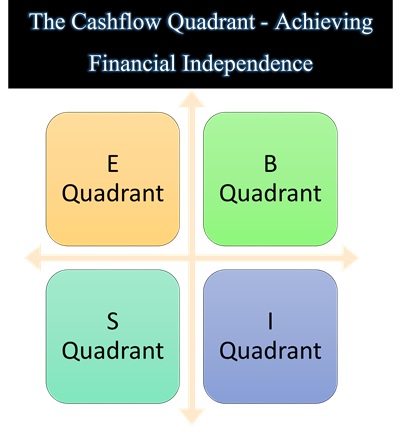
The Cashflow Quadrant – Achieving Financial Independence
Achieving financial independence is simple to understand with Robert Kiyosaki’s popular concept of the Cashflow…

How to Get Paid to Take Surveys: The Ultimate Guide to Earning Extra Cash with Your Opinions

10 Best Free Money Management Apps: Top Money Software Picks

4 thoughts on “What Is Financial Literacy? A Beginner’s Guide to Money Mastery!”