

Master your money with our ultimate guide to the budget percentage charts. Learn top budgeting models like the 50/30/20 rule, get expert budgeting tips, and learn how to start saving money today.
Ultimate Guide to the Budget Percentage Chart: Your Blueprint for Financial Freedom
Welcome. Let’s talk about something that feels, for many, like a cryptic puzzle wrapped in an enigma: budgeting. We’ve all been there. You get your paycheck, you pay your bills, you buy some stuff, and suddenly you’re staring at your bank account wondering where it all went. It can feel like you’re navigating a dense fog without a compass. But what if I told you there’s a tool—a financial GPS, if you will—that can cut through that fog and show you the clearest path forward? We’re talking about the budget percentage chart, and it’s about to become your new best friend.

This isn’t about restriction; it’s about revelation. It’s not about telling yourself “no” to every little joy; it’s about empowering yourself to say a confident “yes” to the things that truly matter. Forget complicated spreadsheets with a million line items and rigid dollar amounts that fall apart the second an unexpected expense pops up.
We’re embracing a more fluid, intuitive, and profoundly effective way to manage our money. We’re going to transform your financial landscape from a source of stress into a map of possibilities. So grab a cup of coffee, get comfortable, and let’s chart a course to a brighter financial future, together.

Why Budget Percentages Are a Financial Game-Changer
Before we dive into the nuts and bolts, let’s address a fundamental question: Why percentages? Why not just use concrete dollar amounts? The magic of a percentage-based system lies in its scalability and psychological impact. It’s a framework that grows and shrinks right along with your income.
Think about it. A person earning $30,000 a year and a person earning $150,000 a year will have wildly different dollar amounts for their housing, food, and savings. A fixed-dollar budget template found online would be useless for one or both of them. A percentage, however, is a relative measure. Allocating, say, 30% of your income to housing works as a guideline whether your income is big or small. This makes the budget percentage chart an incredibly democratic tool. It’s for the recent graduate, the seasoned professional, the freelancer with fluctuating income, and the dual-income family.
Furthermore, percentages shift our mindset. Instead of thinking, “I can only spend $500 on groceries,” we start to think, “I allocate 15% of my income to food.” When you get a raise, you don’t have to rebuild your budget from scratch. The percentages stay the same; the dollar amounts they represent simply increase. This reframes your financial decisions from a place of scarcity to one of proportional allocation. It’s less about the rigid lines of a cage and more like the supportive banks of a river, guiding your financial flow without damming it up entirely.

Anatomy of a Classic Budget Percentage Chart
Every great map has a legend, and our financial map is no different. A typical budget percentage chart breaks down your post-tax income into several key categories. While you can and should customize these, most budgets are built around a common set of pillars that represent where our money generally goes.

Here are the usual suspects:
- Housing (25-35%): This is often the largest slice of the financial pie. It includes your rent or mortgage payment, property taxes, HOA fees, and homeowner’s or renter’s insurance.
- Transportation (10-15%): This covers everything that gets you from Point A to Point B. Think car payments, gas, insurance, registration, public transit passes, ride-sharing services, and maintenance.
- Food (10-15%): A crucial and often tricky category. This includes both groceries for cooking at home and money spent on dining out, takeout, and your morning coffee run.
- Utilities (5-10%): These are the essential services that keep your home running: electricity, water, natural gas, trash collection, internet, and cell phone bills.
- Savings & Debt Repayment (10-20% or more): This is your “Pay Yourself First” category. It’s the powerhouse for building your future and destroying your past financial burdens. This includes contributions to retirement accounts (like a 401(k) or IRA), building an emergency fund, saving for a down payment, and making extra payments on student loans, credit cards, or other debts.
- Personal Spending & Entertainment (10-20%): This is the “fun” category. It covers hobbies, streaming services, concert tickets, shopping for clothes, grabbing drinks with friends, and vacations. It’s the stuff that makes life enjoyable.
- Miscellaneous/Contingency (5-10%): Life is unpredictable. This slice is for everything else: pet supplies, gifts, household items, unexpected medical co-pays, or a last-minute flight for a family emergency. It acts as a buffer.
Popular Budgeting Frameworks to Guide You
You don’t have to invent your financial wheel from scratch. Several popular models provide excellent starting points. Think of these not as strict laws but as time-tested recipes. You can follow them exactly or tweak the ingredients to suit your own taste and circumstances. These are fantastic budget recommendations for anyone just starting out.

The Gold Standard: The 50/30/20 Rule
If the budgeting world has a celebrity, it’s the 50/30/20 rule, popularized by Senator Elizabeth Warren in her book, All Your Worth: The Ultimate Lifetime Money Plan. It’s elegant in its simplicity and provides a beautifully balanced approach to your finances.
- 50% on Needs: Half of your after-tax income is allocated to the absolute essentials. These are the things you must pay to live. This category lumps together your Housing, Transportation, Food (groceries only), and Utilities. If you can’t survive without it, it’s a Need.
- 30% on Wants: This is for everything that makes life more enjoyable but isn’t strictly necessary for survival. Think dinners out, new gadgets, vacation funds, concert tickets, and your Netflix subscription. It’s your lifestyle money.
- 20% on Savings & Debt Repayment: A full fifth of your income goes towards your financial goals. This is non-negotiable. It includes paying down credit card debt, student loans (above the minimum payment), and building your savings, including retirement and emergency funds.
The beauty of 50/30/20 is its clarity. It forces you to distinguish between what you truly need and what you simply want, a distinction that is at the heart of mindful spending.
For the Aggressive Saver: The 70/20/10 Rule
Perhaps you’re laser-focused on becoming debt-free as quickly as possible, or maybe you’re saving for a huge goal like a house down payment or early retirement. If that’s you, the 70/20/10 rule might be your speed. It prioritizes financial goals above discretionary spending.
- 70% on All Spending: This model simplifies things by lumping all your monthly expenses—both needs and wants—into one large category.
- 20% to Savings: This is a dedicated, aggressive savings allocation.
- 10% to Debt Repayment or Giving: This portion is earmarked for either crushing debt or for charitable giving and tithing.
This method requires more discipline within the 70% category, as you have to manage your own balance of needs and wants within that larger slice. It’s for those who trust themselves to spend responsibly while funneling a significant portion of their income toward their future.
A Simpler Slice: The 60% Solution
For those who find even the 50/30/20 rule a bit too granular, there’s the 60% Solution, proposed by former MSN Money editor-in-chief Richard Jenkins. The idea is to direct 60% of your gross (pre-tax) income toward what he calls “Committed Expenses.” This includes all your regular spending—taxes, housing, food, insurance, cars, clothes, and even your fun money.
The remaining 40% is then divided into four powerful categories:
- 10% for Long-Term Savings/Retirement: Earmarked for your golden years.
- 10% for Irregular Expenses: This is a brilliant addition—a dedicated fund for lumpy, predictable-but-not-monthly expenses like property taxes, holiday gifts, or annual insurance premiums.
- 10% for Short-Term Savings: For goals within the next 1-5 years, like a new car, a vacation, or a home renovation.
- 10% for Fun Money/Mad Money: A guilt-free fund to spend on whatever you want, no questions asked.
The Most Important Framework: Your Own Custom Chart
Here’s the ultimate truth: the best budget percentage chart is the one that works for you. The models above are fantastic starting points, but your life is unique. Maybe you live in a high-cost-of-living area and your housing is closer to 40%. That’s okay, but it means you’ll need to trim percentages elsewhere. Perhaps you work from home and have minimal transportation costs, freeing up a huge chunk of your income for savings or travel.
The goal is to use these templates as a mirror. Hold them up to your own spending and see how you compare. Where are the discrepancies? What do they tell you about your priorities? This is where the real work—and the real magic—begins.

Let’s Get Practical: Crafting Your First Budget Percentage Chart
Alright, theory is great, but let’s roll up our sleeves and get our hands dirty. Creating your first chart is a four-step process of discovery and adjustment.
Step 1: Become a Financial Detective (Track Your Spending)
You can’t create a map without knowing the terrain. For the next 30 days, your mission is to track every single dollar you spend. I know, it sounds tedious, but it is the single most enlightening financial exercise you will ever do. It’s like turning on the lights in a room you’ve only ever navigated in the dark.
- Use Technology: Apps like Mint, YNAB (You Need A Budget), or Personal Capital can link to your bank accounts and credit cards and automatically categorize your spending. This is the easiest method.
- Go Old School: Keep a small notebook with you or use a simple notes app on your phone. Every time you buy something, write it down.
- The Envelope Method: If you’re primarily a cash spender, try the envelope system for a month to physically see where your money is going.
Be honest and be thorough. Don’t judge yourself; just collect the data. This is your baseline, your “before” picture.
Step 2: Do the Math (Calculate Your Percentages)
Once you have a month’s worth of data, it’s time to turn those raw numbers into meaningful percentages.
- Categorize Everything: Tally up your spending into the main categories we discussed earlier (Housing, Food, etc.).
- Find Your Total Income: Look at your pay stubs and find your total take-home pay (after taxes and other deductions). This is your 100%.
- Calculate the Percentage: For each category, use this simple formula: (Category Total Spending / Total Take-Home Pay) * 100 = Category Percentage
For example, if you spent $600 on food and your take-home pay was $4,000, your food percentage is ($600 / $4,000) * 100 = 15%. Do this for every category.
Step 3: The Moment of Truth (Compare and Contrast)
Now, create your own pie chart. You can draw it, use an online tool, or make one in a spreadsheet. This visual representation is powerful. Place it side-by-side with a model like the 50/30/20 rule.
What do you see? Maybe your “Wants” category is at 45% and your “Savings” is at 5%. Perhaps your food bill, thanks to daily lunches out, is a whopping 25%. This is not a moment for shame. It’s a moment of pure, unadulterated information. You now know exactly where your money is going. You have replaced ambiguity with clarity. This is a victory.
The Art of the Tweak (Making Adjustments)
Now comes the fun part: making choices. Your current spending chart reflects your past habits. Your target budget percentage chart will reflect your future goals. Look at the areas where you’re overspending compared to your chosen model. Where can you make changes?
This leads us to a crucial question: which part of a budget is easiest to adjust? Without a doubt, the easiest and fastest area to adjust is your discretionary spending, or your “Wants” category in the 50/30/20 rule. This is the low-hanging fruit.
- Dining Out: Can you pack your lunch two more days a week?
- Subscriptions: Do you really need five different streaming services?
- Shopping: Can you implement a 24-hour waiting period before making non-essential purchases?
- Entertainment: Look for free community events, library resources, or cheaper hobbies.
These small changes can free up a significant percentage of your income that you can then reallocate to savings or debt repayment. Adjusting your “Needs” is harder but not impossible. You probably can’t change your rent tomorrow, but you can shop around for cheaper car insurance, find a better cell phone plan, or focus on reducing your electricity bill. The key is to start with the easy wins to build momentum and confidence.

Level Up: Advanced Budgeting Strategies
Once you’ve mastered the basics, you can incorporate more sophisticated strategies to fine-tune your financial engine.
Taming the Beast: Budgeting for Irregular Income
If you’re a freelancer, gig worker, or salesperson, the idea of a fixed monthly income is a fantasy. A budget percentage chart is actually perfect for this situation.
The key is to budget based on your baseline. Look at your last 12 months of income and find your worst month. Use that number as the 100% for your budget chart. All your essential “Needs” must be covered by this baseline income.
Then, when you have a great month and earn more than your baseline, that extra income has a specific job. You can create a “windfall” plan for it. For example:
- 50% immediately goes to savings/debt.
- 30% goes into a separate account to buffer future low-income months.
- 20% is yours to spend as a reward for your hard work.
This approach creates stability in an unstable world.
Every Dollar Needs a Job: Zero-Based Budgeting with Percentages
Zero-based budgeting is a method where your income minus your expenses equals zero. You give every single dollar a name and a purpose. You can combine this with your percentage chart beautifully.
First, you set your target percentages (e.g., 50/30/20). Then, at the start of each month, you translate those percentages into actual dollar amounts based on that month’s income. You then assign those dollars to specific expenses within each category until every dollar is accounted for. It’s the ultimate act of financial intention.
The Psychological Win: Visualization and Mindset
Never underestimate the power of seeing your finances. A budget percentage chart isn’t just numbers on a page; it’s a visual story of your life. When you see a pie chart where the “Debt” slice is shrinking and the “Savings” slice is growing month after month, it creates a powerful feedback loop. It’s tangible proof that your small, consistent efforts are creating massive change over time.
This process cultivates a profound mindset shift. You move from being a passive passenger in your financial life to being the driver. You stop asking “Where did my money go?” and start telling it where to go. It changes your relationship with money from one of anxiety and fear to one of control, confidence, and empowerment. It’s no longer about what you can’t have; it’s about what you choose to build.

Conclusion: Budget Percentage Charts
We’ve journeyed through the why, what, and how of the budget percentage chart. We’ve seen that it’s more than just a tool; it’s a new way of thinking. It’s a flexible, scalable, and deeply personal framework for aligning your spending with your values and your dreams. It’s your blueprint for building a house of financial security, brick by intentional brick.
The path won’t always be a straight line. Life happens. You’ll have months where you overspend, and unexpected expenses will try to derail you. That’s okay. Your budget isn’t a pass/fail test; it’s a living document. It’s meant to be adjusted, reviewed, and revisited. The goal isn’t perfection; it’s progress.
So take this knowledge and apply it. Start tracking. Calculate your numbers. Draw your first chart. Make one small adjustment this week. Then another next week. You have the map. You have the compass. The journey to financial freedom is yours to take, and it begins with that first, simple, powerful step.
Frequently Asked Questions (FAQs): Budget Percentage Charts
What if my housing costs more than 35% of my income?
This is very common, especially in major cities. If your housing is high, it simply means you have to be more aggressive in trimming other categories. Your transportation and personal spending categories will likely need to be smaller. It’s a game of trade-offs. The long-term solution might involve seeking a higher income or considering a move to a lower-cost-of-living area, but in the short term, you adjust the other slices of your pie.
How often should I review and adjust my budget percentage chart?
It’s a great practice to check in with your budget weekly to track spending, but you should do a full review and potential adjustment of your percentages at least once a quarter. You should also revisit it anytime you have a major life change, such as a new job, a raise, a marriage, a new baby, or a move.
Is it better to focus on saving money or paying off debt first?
This is a classic financial debate. Many experts recommend a hybrid approach. First, build a small emergency fund of around $1,000. Then, aggressively tackle high-interest debt (like credit cards) while still contributing enough to your 401(k) to get the full employer match (that’s free money!). Once high-interest debt is gone, you can redirect that money toward savings and paying off lower-interest debt like student loans or mortgages.
I find tracking every expense exhausting. Is there an easier way?
Yes! The “conscious spending plan” or “anti-budget” is a great alternative. Instead of tracking everything, you focus on your big goals first. Automate your savings and debt repayment (the 20% in the 50/30/20 rule) to come directly out of your paycheck. Then, ensure you have enough to cover your fixed “Needs.” Whatever is left over is yours to spend, guilt-free, without tracking every last coffee.
What’s the biggest mistake people make when starting a budget percentage chart?
The biggest mistake is aiming for perfection from day one. People create a hyper-restrictive budget that leaves no room for error or enjoyment, then feel like a failure when they can’t stick to it. Your first budget should be realistic and based on your actual past spending. Make small, incremental changes. It’s better to have a “good enough” budget that you can stick with than a “perfect” one you abandon in a week.
How do I budget for annual or semi-annual expenses like car insurance or holiday gifts?
This is where a “sinking fund” is essential. Identify these irregular expenses, total them up for the year, and divide by 12. That monthly amount becomes a line item in your budget. You automatically transfer that money each month into a separate savings account, so when the bill comes due, the money is sitting there waiting.
Does the 50/30/20 rule use pre-tax or post-tax income?
The 50/30/20 rule is based on your after-tax, or take-home, pay. This is the actual amount of money that hits your bank account. Using this number gives you a much more realistic picture of what you have available to spend and save.
Is a budget percentage chart useful if I have a lot of credit card debt?
It’s not just useful; it’s essential. The chart will visually show you how much of your income is being eaten by debt. This can be a powerful motivator. You would adjust your target percentages to be much more aggressive in the “Debt Repayment” category—perhaps aiming for a 40/30/30 split (40% Needs, 30% Debt Repayment, 30% Wants) until the debt is under control.
Can my partner and I use a single budget percentage chart?
Absolutely. Combining finances and using a single budget chart is a great way for couples to work toward shared goals. It requires open communication. You would combine your total household take-home pay to serve as your 100% and then categorize and track all household expenses together. It ensures you’re both on the same page and rowing in the same direction.
What software or tools do you recommend for creating the Budget Percentage Chart?
For creating the visual chart, simple tools are best. Google Sheets or Microsoft Excel have built-in charting functions that work perfectly. Many budgeting apps, like Mint, will also automatically generate pie charts and graphs of your spending, making visualization effortless. The best tool is the one you’ll actually use consistently.

BEST Loan and Financial Services
- Empower – Free money management & personal finance software
- Click here to visit Empower website.
- Click here to read our Empower review. — (Read our Personal Capital review here.)
- Click here to sign up for Empower’s FREE Cloud-based Personal Finance and Money Management Tools — (Previously known as Personal Capital)
Empower (Personal Capital): Resource Links
Empower (Personal Capital) Free Money Management Tools
- Empower Free Budgeting and Cash Flow Tool: Take control of your finances with our free Budget Planner. Organize your spending and savings automatically by date, category or merchant. Set a monthly spending target and easily see if you’re tracking over or under your plan.
- Empower Net Worth Tracker: See and track your true net worth with the free Empower Dashboard.
- Factor inflation into your retirement plans: Factor inflation into your retirement plans. Simulate market crashes and worst-case scenarios Prepare for major life events and big expenses Estimate how much you’ll have to spend when you retire.
- Empower Free Retirement Planner and Tracking Tools: Improve your retirement planning and tracking capabilities.
- Empower Free Investment and Portfolio Tracking Tool: Track your investments and brokerage accounts all in one dashboard for free.
- Get started today with the free Empower Personal Dashboard: While Personal Capital is now Empower, our tools are as powerful as ever. Sign up now to manage your money for free.
Coinbase: Resource Links
Coinbase (USA) Offer: CLICK HERE to Sign up and get up to $200 in crypto! Terms Apply.
Offer Disclosure: Valid for new users who make a cryptocurrency purchase on Coinbase. Limited while supplies last or Coinbase revokes this incentive at its sole discretion. Coinbase reserves the right to change the terms, eligibility criteria, and payouts for all incentives at any time, for any reason. Void where prohibited or if Coinbase determines that the customer is not eligible for the offer. Terms apply.
- Sign up for Coinbase and get up to $200 in crypto! Terms Apply.
- Offer Disclosure: Valid for new users who make a cryptocurrency purchase on Coinbase. Limited while supplies last or Coinbase revokes this incentive at its sole discretion. Coinbase reserves the right to change the terms, eligibility criteria, and payouts for all incentives at any time, for any reason. Void where prohibited or if Coinbase determines that the customer is not eligible for the offer. Terms apply.
- Coinbase Help: Getting Started
- Coinbase Help: Managing My Account
- Coinbase Help: Fraud and Suspicious Activity
- Coinbase Help: Privacy and Security
- Coinbase Help: Taxes
Helpful Coinbase Resource Links for Other Countries (Outside USA)
- Canada – Buy your first crypto and get $10 in BTC with code BTCCA10
- Buy your first crypto and get $10 in BTC with code BTCCA10 *Canadian users only*
DO YOU LIKE EXCLUSIVE DEALS & SAVINGS?
HERE’S A PREVIEW OF OUR TIME-SENTIVE DEALS & EXCLUSIVE MONEY SAVING OFFERS BELOW!
80% Off! Headway Premium: Lifetime Subscription
- Exclusive Offer: Headway Premium: Lifetime Subscription
- Sale Price: $59.99
- MSRP: $299.95
- Discount: 80%
FolderFort 1TB Cloud Storage Pro Plan: Lifetime Subscription
- Exclusive Offer: FolderFort 1TB Cloud Storage Pro Plan: Lifetime Subscription
- Sale Price: $79.99
- MSRP: $399.00
- Discount: 80%

57% OFF! Apple Macbook Pro M1 Pro (2021) 16-Core GPU 16GB RAM 2TB SSD (Refurbished)
- Exclusive Offer: Apple Macbook Pro M1 Pro (2021) 16-Core GPU 16GB RAM 2TB SSD (Refurbished)
- Sale Price: $1,239.99
- MSRP: $2,899.00
- Discount: 57%
86% OFF – Internxt Cloud Storage Lifetime Subscription: 100TB
- Exclusive Offer: Internxt Cloud Storage Lifetime Subscription: 100TB
- Sale Period: Jul 18, 2025 – Jul 19, 2026
- Sale Price: $1,349.97
- MSRP: $9,900.00
- Discount: 86%

58% Off – Apple MacBook Pro M1 (2021) 16-Core GPU 32GB RAM 2TB SSD (Refurbished)
- Exclusive Offer: Apple MacBook Pro M1 (2021) 16-Core GPU 32GB RAM 2TB SSD (Refurbished)
- Sale Price: $1,399.99
- MSRP: $3,299.00
- Discount: 58%

12% Off – 49″ OLED 1440p Curved Ultrawide Gaming Monitor
- Exclusive Offer: 49″ OLED 1440p Curved Ultrawide Gaming Monitor
- Sale Price: $1,499.99
- MSRP: $1,699.99
- Discount: 12%

23% OFF — Alienware 55″ UHD 4K OLED Gaming Monitor
- Exclusive Offer: Alienware 55″ UHD 4K OLED Gaming Monitor
- Sale Price: $1,514.99
- MSRP: $1,979.99
- Discount: 23%

5% Off Discount: Claim Here ~>
WLKATA Mirobot 6-Axis Mini Robot Arm Professional Kit
- Exclusive Offer: WLKATA Mirobot 6-Axis Mini Robot Arm Professional Kit
- Sale Price: $1,757.99
- MSRP: $1,850.00
- Discount: 5%

Phantom G63 All-Terrain/Ski Electric Scooter
- Exclusive Offer: Phantom G63 All-Terrain/Ski Electric Scooter
- Sale Price: $2,199.99
- MSRP: $2,499.00
- Discount: 12%
Want to save even more money on everyday items? How about miscellaneous or luxury items? Or maybe you’re looking for that unique gift, but want to don’t want to pay full price?
>>> Exclusive Deals & Savings Here! <<<
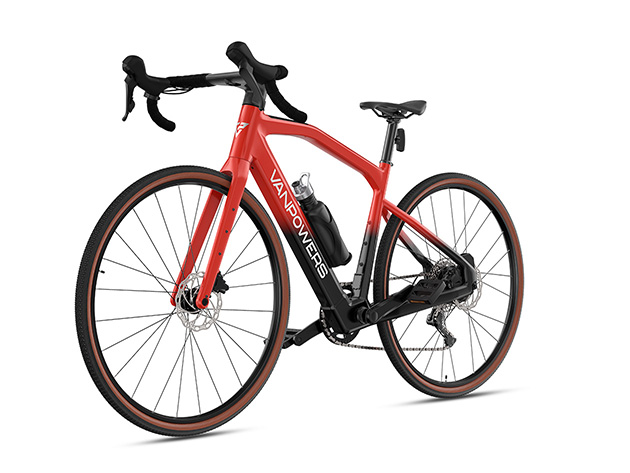
Vanpowers UrbanCross-Ultra e-Bike
- Exclusive Offer: Vanpowers UrbanCross-Ultra e-Bike
- Sale Price: $2,999.00

14% Off Discount: Claim Here ~>
Phantom Scout 4-Seater Off-Road Electric Cart (Gray)
- Exclusive Offer: Phantom Scout 4-Seater Off-Road Electric Cart (Gray)
- Sale Price: $8,999.99
- MSRP: $10,499.00
- Discount: 14%
Are you traveling or taking a vacation soon? Do you want to make sure you’re getting the very best travel deals and savings??
>>> Exclusive Travel Deals & Vacation Planning Tools Here!! <<<

Phantom Scout 4-Seater Off-Road Electric Cart (Camo)
- Exclusive Offer: Phantom Scout 4-Seater Off-Road Electric Cart (Camo)
- Sale Price: $8,999.99
- MSRP: $10,499.00
- Discount: 14%

Phantom Scout 2-Seater Off-Road Electric Cart Gray
- Exclusive Offer: Phantom Scout 2-Seater Off-Road Electric Cart Gray
- Sale Price: $8,999.99
- MSRP: $10,499.00
- Discount: 14%

75% Off Discount! Claim Here ~>
Pick a Bundle: Learn Unity Game Development (7 Courses)
- Exclusive Offer: Pick a Bundle: Learn Unity Game Development (7 Courses)
- Sale Price: $5.00
- MSRP: $20.00
- Discount: 75%

20% OFF Discount! Claim HERE ~>
Phantom Scout 6-Seater Off-Road Electric Cart (Red)
- Exclusive Offer: Phantom Scout 6-Seater Off-Road Electric Cart (Red)
- Sale Price: $9,999.99
- MSRP: $12,499.00
- Discount: 20%

20% OFF Discount! ~> SAVE NOW!
Phantom Scout 6-Seater Off-Road Electric Cart
- Exclusive Offer: Phantom Scout 6-Seater Off-Road Electric Cart
- Sale Price: $9,999.99
- MSRP: $12,499.00
- Discount: 20%
CRAZY Deals and INSANE Ways To Save Money!

Top Budget Goods Expense Categories & Financial Spending Lists
10 Best Budget Freeware Tools, Money Software & Finance Apps for Budgeters!

Top Budget Finance Strategies: Ultimate Money Planning Guide!

Budget Cost of Living Guide: How To Optimize Your Household Finances

Ultimate Guide to Managing Your Bills to Pay & Tracking Expenses

Best Way to Track Budget Success & Stay on Financial Course!

Smart Spending: Best Way to Spend Money Wisely

How to Use a 50 30 20 Rule Spreadsheet to Budget, Save Money & Financial Planning?

Understanding the 50 30 20 Rule for Budgeting & Saving Money!

DHgate Review: BUY or PASS? Honest Truth!

15% OFF Discount: Costway 10’x30′ Heavy Duty Party Wedding Tent Deal!

56% Off Savings! SurFast Video Downloader: Lifetime Subscription Deal!
Find Your Perfect Website Domain Name with Namecheap.
Claim your FREE website domain name today!

Harmony Premium Plan Lifetime Subscription
- Exclusive Offer: Harmony Premium Plan Lifetime Subscription
- Sale Price: $99.99
- MSRP: $199.99
- Discount: 50%
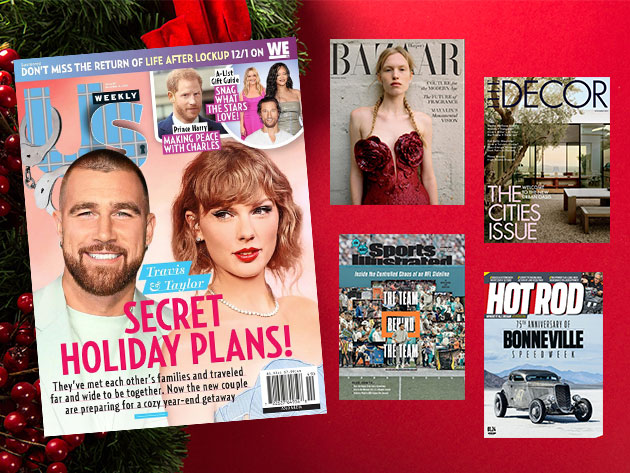
98% OFF Discount ~> Start Saving!!
Choose up to 6 Best-Selling Magazine Subscriptions for just $2 each!
- Exclusive Offer: Choose up to 6 Best-Selling Magazine Subscriptions for just $2 each!
- Sale Price: $2.00
- MSRP: $100.00
- Discount: 98%

43% OFF Discount ~> HUGE SAVINGS!
TextSniper for Mac: Lifetime Subscription
- Exclusive Offer: TextSniper for Mac: Lifetime Subscription
- Sale Price: $3.99
- MSRP: $6.99
- Discount: 43%

80% Off Discount ~> Claim Offer!
Get a $25 Restaurant.com eGift Card For ONLY $5!
- Exclusive Offer: $25 Restaurant.com eGift Card
- Sale Price: $5.00
- MSRP: $25.00
- Discount: 80%
Content Related to Investing for Beginners You May Also Like from Oddball Wealth:
75% Off Discount: Claim Here ~>
Pick a Bundle: The Ultimate Learn to Code Training (5 Courses)
- Exclusive Offer: Pick a Bundle: The Ultimate Learn to Code Training (5 Courses)
- Sale Price: $3.99
- MSRP: $16.00
- Discount: 75%
See Our Exclusive Library of FREE:

Easyship
Effortless Global Shipping: Easyship simplifies international shipping for businesses of all sizes. Streamline your fulfillment process, compare rates from top carriers, and generate customs documentation with ease. Easyship helps you get your products to customers worldwide, quickly and affordably.

Token Metrics Review: The Crypto Investor’s Toolkit?

Money Master the Game: 7 Simple Steps to Financial Freedom: My Personal Book Review! (2026 Update)
Money Master the Game: 7 Simple Steps to Financial Freedom – By: Tony Robbins I first heard about this book when reading an article in Fortune Magazine and was immediately…

16 Ways To Make Money Fast: Legit Ways to Earn Extra Cash Quickly (2024 Update)
The Answer to Retirement Income is Simplicity
Retirement is a beautiful word we all enjoy thinking and talking about. Retirement is a time when we’re finally able to break free from the 9 to 5 hustle and…

Debt Management 101: How to Reduce Stress & Improve Your Finances!

50 Fast Ways to Make Money: Fuel Your Hustle and Boost Your Bank Account

Top 5 Best Stock Picking Strategies for Long-Term Financial Growth!

10 Best Apps to Make Money Fast, Quick & Easy
Apps to Make Money Fast and Easy Here’s our list of the best apps to make money fast: Gigwalk: This app allows you to complete small tasks in your area,…

Credit Assistance Network Review – Improve Your Credit
Credit Assistance Network Review The Credit Assistance Network is in the business of helping people improve their credit. They analyze credit reports in search of errors and anything that might…

Bitcoin IRA Review: Is It Right for Your Retirement?

35 Inspirational Quotes About Wealth, Money and Life
Thirty-five Inspirational Quotes About Wealth, Money and Life Building wealth and making money are two areas which I feel pretty strong about. However, sometimes it can…

FreshBooks Accounting Software Review: Is It the Best for Small Businesses?
Avant Lender Review – Online Personal Loans for Poor Credit
Avant is an online lender that offers personal loans from $1,000 to $35,000, and one of the few lenders that provides loans to borrowers with bad credit. They requires borrowers…

50 Fast Ways to Make Money Online: Begin Your Financial Freedom Journey Today!
Budget Cost of Living Guide: How To Optimize Your Household Finances
Review: Rich Dad, Poor Dad – Unconventional Financial Thinking
I recently completed reading the book titled Rich Dad, Poor Dad, which I became hooked on immediately. In the first chapter alone of this book, I was astound by the message it told…

Why is Managing Money Hard? Personal Finance and Budgeting Tips
Many people think that managing money is hard. They have many excuses for why they don’t manage their money. A few of them are reasonable excuses but most of them…

15 Best Budgeting Apps to Manage Your Money!

The Key To Successful Investing Is Asset Allocation – Part One
When it comes to investing, the biggest and most important decision revolving your portfolio is asset allocation. Jack Bogle, the founder and former CEO of The Vanguard Group, once said,…

Males and Females Manage Wealth and Money Differently
Males and females tend manage their wealth and money differently. Both genders have budgets, save, and invest but seem to have a different take on it when it comes to…

Bogleheads Worship Index Funds for Investment Portfolios
You may have heard of Bogleheads, a group of investment enthusiast who worship index funds for their portfolios and honor John Bogle, the man behind index funds and founder of the…

How College Graduates Dominate their Money & Finances
You finally did it, after all the sleepless nights from studying and writing papers, all the time you spent in the library with your nose stuck in a textbook, and…

Ovation Credit Services Review – Fix Your Credit
Ovation Credit Services has a variety of services for repairing credit and bettering your overall credit rating. They do the hard stuff for you, like working with credit bureaus and creditors…

Top 8 Free Online Survey Sites to Join and Make Extra Money
In this post, you’ll learn what the best free online survey and rewards sites to join and make extra money are. Each of the companies and websites listed below are…

Why Building and Protecting your Credit is Critical
Building good credit and establishing an excellent credit score takes time. Yes, it can take years to establish good credit and only days to destroy or ruin your credit. Which…

Beginners Guide to Bond Investment
Thinking about Investing in bonds? Here are a few things you need to know before buying bonds. What are Bonds? Bonds are basically a loan between you and either the…

How to Get Paid to Do Surveys: Your Guide to Earning Extra Cash with Your Opinions

The Ultimate Guide to the Business Budget Sheet: Your Blueprint for Financial Success

How to Organize Your Business with FreshBooks Online Accounting Software: Ultimate Review! (2026 Update)
FreshBooks is the leader in cloud accounting for small businesses with over 5 million users. The company understands the accounting needs of small businesses. Such as, invoicing, sales, payroll, expenses,…

BEST Budget Rules of Thumb Guide: Master Your Money in 2025

Ultimate Guide to H&R Block Tax Audit Preparation!
Navigate tax audits with confidence using H&R Block Tax Audit Preparation. Discover key features, benefits, and step-by-step guidance to protect your finances. Read our in-depth H&R Block tax audit preparation…

12 Best Investment Portfolio Management Software Options for Investors!

H&R Block Tax Tips for Seniors: Ultimate Tax Guide!
Discover essential H&R Block tax tips for seniors and how this user-friendly platform makes tax preparation stress-free. Learn about its features, benefits, and how to maximize your tax returns. Navigating…

8 Best Financial Planning Software and Budgeting Tools for Individuals & Families!

The Creation of the Income Tax and the Robin Hood Theory
Did you know that at one time the United States never had an income tax and only levied a tax in order to fund a war? If fact, the only…

How to Payoff Student Loans in Nelnet
Updated: February 12, 2017 It’s now that time, time to start paying off your student loans. Many of us didn’t think twice about these loans while we were still enrolled in…

Pure Hemp Botanicals
Experience the Natural Wellness of Hemp: Pure Hemp Botanicals offers a range of premium CBD products, including oils, tinctures, edibles, and topicals. All products are derived from high-quality, organically grown hemp and lab-tested for purity and potency. Find natural relief and support your well-being with Pure Hemp Botanicals.
SurFast Video Downloader: Lifetime Subscription Deal Offer!
56% OFF! Limited-Time Offer!!!

Disclaimer:
This page may contain affiliate links, meaning we may earn a small commission if you make a purchase through these links, at no extra cost to you. This helps support this channel.