

- Investing for Beginners: Ultimate Guide to Building Your Investment Strategy
- Introduction to Investing for Beginners: Embarking on Your Investment Journey
- Why Investing Matters: Building a Secure Financial Future
- Investing for Beginners Conclusion
- Additional Investing for Beginners Insights and Final Reflections
- Personal Finance Guides & Money Articles Related to Investing for Beginners from Oddball Wealth!
Investing for Beginners: Ultimate Guide to Building Your Investment Strategy
Investing can seem like a daunting realm reserved only for Wall Street insiders, but in reality, it’s a journey we can all embark on. Whether you’re saving for retirement, planning for your children’s future, or simply looking to grow your wealth, investing is a powerful tool that can help you achieve financial independence.
In this investing for beginners guide, we’ll explore everything from the basics of investing to more advanced strategies, all explained in a relaxed, conversational tone that makes even complex topics accessible.
Content Related to Investing for Beginners You May Also Like from Oddball Wealth:
- Ultimate Guide to Personal Finance
- Ultimate Guide to Budgeting and Saving Money
- Ultimate Guide to Credit Cards
- Ultimate Guide to Debt Management
- Ultimate Guide to Financial Calculators
- Ultimate Guide to Financial Literacy
Introduction to Investing for Beginners: Embarking on Your Investment Journey
Welcome to our comprehensive guide on investing for beginners. We understand that starting out in the investment world can be overwhelming. You might be asking yourself, “Where do I even begin investing?” or “How can I be sure I’m making the right investment decisions?” Rest assured, we’re here to walk you through every step of the process.
In this guide, we’ll cover essential investment concepts, review various investment vehicles, and provide practical tips to help you make informed decisions. So, let’s get started on building a brighter financial future together!
Understanding the Basics of Investing
What Is Investing?
At its core, investing is the act of allocating money or resources with the expectation of generating income or profit. Unlike saving, which often involves setting aside money in low-yield accounts, investing seeks to make your money work for you. This involves taking calculated risks with the hope of achieving higher returns over time.
The Investment Mindset
Before diving into numbers and charts, it’s essential to adopt the right mindset. Investing is not a get-rich-quick scheme; it’s a long-term strategy that requires patience, discipline, and continuous learning. Think of it as planting a seed and nurturing it over time—your money, like a seed, has the potential to grow into a flourishing tree with the right care and attention.
Why Investing Matters: Building a Secure Financial Future
Investing plays a crucial role in achieving financial security. While traditional savings accounts offer safety, they rarely provide the growth needed to outpace inflation.
By investing wisely, you can do the following:
- Grow our wealth: Over time, investments can appreciate significantly, helping to build a robust financial cushion.
- Beat inflation: By achieving returns that outstrip inflation, our purchasing power increases.
- Prepare for the unexpected: A diversified investment portfolio can serve as a buffer during financial downturns.
For many, the journey into investing starts with a simple question: “how to invest in stocks”? We’ll cover this and more in the upcoming sections.
Getting to Know the Investment Landscape
A Brief History of the Stock Market
The stock market has evolved significantly over the years. From its humble beginnings as a platform for trading shares in small companies to today’s high-speed, technology-driven exchanges, the evolution of the market mirrors our growing understanding of finance and economics.
Have you ever wondered “when was the stock market created”? Historical records trace its origins back several centuries, laying the groundwork for the modern market dynamics we experience today.
Key Market Definitions for Investors
Before diving deep, it’s helpful to familiarize ourselves with some essential investment terminology. For instance:
- What is a brokerage company? A firm that facilitates the buying and selling of securities.
- What is a stock exchange? A centralized platform where stocks and other securities are traded.
- What is the interest rate? The cost of borrowing money or the earnings from deposited funds.
Understanding share market terms and definitions is the first step toward navigating the complex yet exciting world of investing.
Diverse Investment Options: Navigating 7 Types of Investments
Investing isn’t one-size-fits-all. There are multiple vehicles available, each with its own benefits and risks. Let’s explore a structured list of diverse investment types:
7 Types of Investments:
- Stocks: Ownership in a company, with potential for high returns but also high risk.
- Bonds: Debt securities that offer regular interest payments with generally lower risk.
- Mutual Funds: Pooled funds managed by professionals. They offer diversification.
- Exchange-Traded Funds (ETFs): Similar to mutual funds but traded like stocks.
- Real Estate: Investing in property can provide rental income and appreciation.
- Commodities: Physical assets like gold or oil, often used as a hedge against inflation.
- Cryptocurrencies: Digital currencies that offer high potential returns along with significant volatility.
Each investment option comes with its own set of opportunities and challenges. As beginners, it’s vital to assess your risk tolerance and financial goals before choosing your path.
Investing in Stocks: Laying the Foundation
Stocks are one of the most common entry points for new investors. They represent a share of ownership in a company and offer potential for substantial growth over time.
How Do Stocks Work?
When you buy stocks, you essentially buy a piece of the company. As the company grows and becomes more profitable, the value of your stock can increase, leading to capital gains. Dividends, which are a portion of the company’s earnings, may also be distributed to shareholders.
Tips for Beginners
- Start small: Begin with a modest investment until you become more comfortable with market fluctuations.
- Do Your Research: Look into companies with strong fundamentals and long-term growth potential. Consider questions like, “how to pick stocks” and “how can i trade stocks”.
- Diversify: Don’t put all your eggs in one basket; diversify your portfolio to mitigate risk.
For those wondering “how to invest in stocks”, start by researching the fundamentals of a company, its market position, and future growth prospects. Additionally, exploring the “best stocks” or even “best stocks for beginners with little money” can help you make informed decisions without overextending your budget.
Mutual Funds: A Key Investment Avenue
Mutual funds offer a convenient way for beginners to diversify their investments without having to pick individual stocks. Managed by professional portfolio managers, these funds pool money from multiple investors to buy a diversified portfolio of securities.
Why Consider Mutual Funds?
One of the major draws of mutual funds is the advantages of mutual funds they provide, including instant diversification, professional management, and ease of access. However, it’s important to understand that mutual funds are not a guaranteed path to riches. Many beginners ask, “are mutual funds individual bonds in one”—a common misconception. In reality, mutual funds aggregate various types of securities, offering a blend of assets for investors.
Getting Started with Mutual Funds
If you’re ready to dive into mutual funds, consider these steps:
- Research: Look at historical performance and fee structures.
- Choose Wisely: Identify “best mutual funds” that align with your financial goals.
- Understand the Risks: No investment is without risk, so assess factors like “do mutual funds always increase” before committing.
Additionally, if you’re curious “how to buy mutual funds”, many online platforms make the process straightforward and accessible.
Exploring Fixed Income and Insurance Options
While stocks and mutual funds often steal the spotlight, fixed income products and insurance-based investments also play a critical role in a balanced portfolio.
Annuity Insurance and Other Fixed Income Options
For those seeking stability and a predictable income stream, products like annuity insurance can be appealing. These products are designed to provide a steady payout, often used as part of retirement planning. They can be a vital component of assets for investors looking to reduce risk while still earning a return.
Establishing Your Investment Infrastructure: Brokerage Accounts
Before you can start investing, you’ll need a platform to execute your trades. This is where brokerage accounts come into play.
How to Choose the Best Investment Brokerage
There are several types of brokerage accounts available:
- Best Brokerage Account for Beginners: Many platforms cater specifically to newcomers, offering user-friendly interfaces and educational resources.
- Personal Brokerage Account: This allows you to manage your investments directly.
- Online Brokerage Accounts: Digital platforms that provide 24/7 access to trading and market data.
- High Yield Brokerage Account: These accounts may offer competitive interest rates or cashback rewards.
As you set up your investment infrastructure, you might also encounter terms like “investment checking account” and “what is tax planning brokerage account”. Understanding these can help streamline your finances and tax planning.
Understanding Investment Strategies: Fundamental vs Technical Analysis
Every investor needs a strategy. Two of the most common methods are fundamental analysis and technical analysis.
Fundamental Investment Analysis
Fundamental analysis involves evaluating a company’s financial health, management team, market position, and future prospects. By assessing these factors, investors determine the personal investment definition of a stock’s value. Questions such as “how to pick stocks” often lead investors to study earnings reports, balance sheets, and cash flow statements.
Technical Investment Analysis
On the other hand, technical analysis focuses on historical price movements and trading volumes. Techniques such as equity technical analysis help investors interpret market trends by examining equity at the market—a snapshot of how stocks are performing in real time.
Comparing Approaches
A frequent debate among investors is technical trading vs fundamental analysis. Each approach has its merits and pitfalls:
- Fundamental analysis is excellent for long-term investing.
- Technical analysis can be useful for short-term trading decisions.
By understanding both, you can develop a well-rounded investment strategy that suits your goals.
Advanced Investment Tools and Modern Investing Apps
In today’s digital age, technology has revolutionized the way we invest. From comprehensive trading platforms to mobile apps that let you invest on the go, the investment landscape has never been more accessible.
Embracing Technology in Investing
Modern tools have simplified many aspects of investing:
- Best Investment Apps: Mobile applications that allow you to monitor the market, execute trades, and even learn as you go.
- Investing Apps for Beginners: User-friendly platforms that provide tutorials and guides to help novices navigate the market.
By utilizing these digital tools, you can stay informed and make timely decisions, ensuring that you’re always one step ahead in the game.
Decoding Investment Returns and Expectations
What Return on Investment (ROI) Can You Expect?
One of the first questions new investors ask is about returns. While past performance is no guarantee of future results, historical data can provide a rough estimate of what to expect. For instance, many ask about the average investment return over various time frames, and understanding mf returns can be particularly useful when evaluating mutual funds.
Calculating Returns
When assessing potential returns, it’s important to consider:
- The timeframe of your investment.
- Market conditions.
- The inherent risks of your chosen investment vehicle.
For example, if you’re investing in mutual funds, you might wonder, “how much can you expect to gain from mutual funds”. While returns vary widely, a diversified approach generally helps smooth out the highs and lows of market volatility.
Trading and Analysis: Mastering the Market
The Trading Process
Trading involves buying and selling securities in a timely manner to capitalize on short-term market fluctuations. For beginners, understanding the mechanics of a trading account is essential. Many budding investors ask, “how can i trade stocks”, and the answer lies in familiarizing yourself with both your brokerage platform and market signals.
Market Analysis
Effective market analysis combines both fundamental insights and technical signals. This process, often referred to as stock market analysis, helps in identifying trends and making informed decisions. Whether you’re monitoring the stock market today open or checking out stocks today, having a systematic approach to analyzing data is key.
Additionally, learning about things like what is stock and share market dynamics can empower you to predict movements and understand the underlying reasons behind market trends, such as why did the market drop today.
Exploring Diverse Investment Ideas and Avenues
Beyond Investment Basics
Investing is not just about stocks and bonds; it’s about discovering opportunities that align with your personal goals and values. Innovation in finance has led to a wealth of investment ideas that cater to different risk profiles and interests.
Alternative Investments
If you’re starting with modest funds, consider exploring small money making investments. These opportunities can include:
- Micro-investing platforms.
- Crowdfunding real estate projects.
- Peer-to-peer lending.
Such strategies allow you to dip your toes into the market without requiring large sums of money, thereby reinforcing the idea of less invest spend less while still benefiting from market exposure.
Navigating Market Trends and Economic Indicators
Staying Updated on Market Movements
To succeed in investing, staying informed about market trends is crucial. This includes understanding indices like dow jones, which, despite its misspelling in casual chatter, refers to the well-known Dow Jones Industrial Average—a critical indicator of market health.
Recognizing Patterns and Trends
Tracking the share market trend over days, weeks, or months can provide insights into the overall market sentiment. Whether you’re monitoring stock market analysis or simply observing stocks today, it’s important to develop a system that helps you identify key signals for action.
For instance, have you ever pondered “should you be stock investing” during volatile times? Assessing market sentiment using both qualitative and quantitative measures can guide you in making timely decisions.
Planning for the Future: Wealth Management and Advisory
Professional Investment Guidance
For many new investors, navigating the complexities of the market may eventually lead to seeking expert advice. Investment advisory services can provide tailored recommendations based on your financial situation, risk tolerance, and goals.
Online Financial Advisory Services
The rise of online financial advisory has democratized access to expert advice. These platforms offer insights, personalized portfolios, and regular market updates, helping you make informed choices without needing a full-time financial advisor.
Comprehensive Wealth Management
Engaging with wealth management services can streamline your investment process, from portfolio diversification to tax planning. They help integrate various aspects of your financial life, including your personal brokerage account, ensuring that your investments work harmoniously towards your long-term objectives.
Navigating Investment Costs: Fees, Rates, and Budgeting
Understanding the Hidden Costs of Investing
Every investment comes with its own set of fees and expenses. Whether you’re paying management fees on a mutual fund or transaction fees on a trading account, these costs can impact your net returns. It’s vital to understand the implications of these fees early on.
Keeping an Eye on Interest Rates
For those considering borrowing or mortgage-related investments, keeping track of current rates is essential. For instance, if you’re curious about investment mortgage interest rates today, staying updated with market trends can help you make timely decisions.
Budgeting for Investment
Even if you’re just starting out, it’s important to adopt a disciplined approach to budgeting. Small, consistent investments can add up over time, proving that even small money making investments can contribute significantly to your financial future.
Managing Risks and Rewards: Smart Investment Strategies
Diversification and Risk Management
A key principle in investing is diversification. By spreading your investments across various asset classes, you can reduce risk while still capturing potential gains. Consider your portfolio as a garden: by planting different kinds of seeds, you ensure that if one fails, others may thrive.
- Assets for investors: Think broadly about the types of assets you include in your portfolio. Balancing high-risk stocks with more stable bonds or real estate can help maintain overall portfolio health.
Understanding Investment Explanation
A solid grasp of investment principles begins with a clear investment explanation of each asset’s role. For example, while stocks might offer high growth, bonds provide stability and income. By integrating both, you build a resilient portfolio that can weather market volatility.
Case Studies and Practical Tips for Beginner Investors
Real-Life Success Stories of Beginner Investors
Learning from those who have successfully navigated the investment landscape can be incredibly motivating. Consider the journey of an individual who started with just a modest sum and, through disciplined saving and strategic investments, achieved significant financial growth. Their approach often involved identifying best stocks for beginners with little money and gradually diversifying into sectors that promised steady returns.
Practical Investing for Beginners Tips to Get Started
Here are some actionable steps you can take right away:
- Educate Yourself: Dive into resources on the stock market for dummies and familiarize yourself with share market terms and definitions.
- Experiment Safely: Use simulation platforms before investing real money. This can help you understand technical trading vs fundamental strategies without financial risk.
- Monitor Progress: Regularly review your portfolio and adjust your strategies. Utilize tools like equity technical analysis and fundamental analysis to stay informed.
Remember, investing is as much about continuous learning as it is about making money.
Trading Account: A Gateway to the Market
Setting Up and Managing Your Trading Account
A trading account is your gateway to buying and selling securities. Whether you’re using a personal brokerage account or an online brokerage accounts platform, it’s crucial to understand the mechanics behind each trade. Look for platforms that offer a balance of usability, reliability, and low fees—often referred to as the best brokerage account for beginners.
Common Questions About Trading
Many beginners wonder, “how can I trade stocks” effectively. The answer lies in a combination of proper research, market analysis, and a disciplined approach to trading. Utilize resources available on your platform and don’t hesitate to seek advice from investment advisory services when needed.
Navigating the World of Stocks and Bonds
Stocks: The Heartbeat of the Market
Stocks represent equity ownership in a company. For many, selecting the best stocks is a blend of art and science. Investors rely on both fundamental analysis and technical trading vs fundamental approaches to determine which stocks have the best potential.
Bonds: The Stabilizing Force
Bonds offer stability and predictable income. They serve as a counterbalance to the volatility of stocks and are an essential part of a diversified portfolio. Whether you’re new to investing or a seasoned pro, understanding the role of bonds is critical for achieving an average investment return that meets your financial objectives.
Exploring Alternative Investment Avenues
Growth Stock Mutual Fund: Investing in Innovation
For those with an appetite for higher risk and potential reward, a growth stock mutual fund might be an excellent option. These funds focus on companies with high growth potential, offering a balance between risk and reward that can be particularly attractive for beginners looking to maximize gains.
Companies Invest in Stocks: A Broader Perspective
Ever wondered how major corporations approach investing? Many large companies strategically allocate capital to sectors where they see future growth. Learning from their strategies can provide valuable insights into companies investing in stocks, offering a blueprint for building a diversified portfolio.
Market Curiosities: Decoding Common Questions
What Is Stock Market Analysis?
Stock market analysis involves evaluating various factors, from historical performance to current market conditions. This comprehensive process helps investors determine the right time to buy or sell. It’s not uncommon for beginners to have questions like, “what is stock and share market” and “what is interest”, as they navigate these concepts.
Question Everything When Investing
In the dynamic world of investing, several questions remain perennial:
- “why did the market drop today”: This could be due to economic shifts, global events, or investor sentiment.
- “should you be stock investing”: This reflective question often arises during market volatility and requires a balanced, long-term perspective.
- “what is a tax planning brokerage account”: Understanding tax implications is as crucial as market timing.
By exploring these questions, we can develop a deeper understanding of the forces that drive the market.
Building a Robust Portfolio: Strategies and Tips
The Art of Diversification
Diversification isn’t just a buzzword—it’s a strategy that protects your investments from unexpected downturns. Consider combining various asset classes:
- Equities: For long-term growth.
- Bonds: For stability and income.
- Real Estate: For tangible asset value.
- Alternative Investments: Such as commodities or even annuity insurance for risk mitigation.
Essential Portfolio Management Tips
Here are a few key tips to build and manage your portfolio effectively:
- Set clear financial goals.
- Regularly review and adjust your holdings.
- Stay informed about market changes using stock market analysis tools.
- Keep an eye on investment ideas and emerging trends.
By following these guidelines, you ensure that your investments remain aligned with your long-term objectives.
Managing Your Investment Journey
Keeping Track of Performance
As you begin your investment journey, tracking performance is paramount. Use online dashboards and financial apps to monitor the progress of your investments. Regular reviews can help you answer questions like “how much can you expect to gain from mutual funds” and identify opportunities to optimize your strategy.
Continuous Learning
Investing is an ever-evolving field. Stay curious and keep learning. Whether it’s through reading books, attending webinars, or engaging with online communities, continuous education is key. Resources such as investment explanation articles and interactive tools can demystify complex concepts and foster a deeper understanding.
Navigating Costs of Investing and Staying Budget-Conscious
Investment Fees, Charges, and Their Impact
Investors often underestimate the impact of fees on their overall returns. It’s critical to understand all associated costs—whether it’s the expense ratio on a mutual fund or transaction fees on a trading account. Small fees, over time, can significantly reduce your average investment return.
Budgeting Wisely
For beginners with limited capital, it’s important to adopt a disciplined budgeting approach. Concepts like less invest spend less remind us that small, strategic investments can accumulate into substantial wealth over time. Evaluate your expenditures, cut unnecessary costs, and reinvest savings into your portfolio.
Future Trends in Investing: Embracing Innovation
The Digital Transformation of the Investment Industry
The world of investing is undergoing a digital revolution. With the advent of best investment apps and platforms dedicated to investing apps for beginners, technology has made it easier than ever to access the markets. Digital tools provide real-time data, enabling even novices to engage with the market like seasoned professionals.
Emerging Investment Avenues
As technology advances, new investment opportunities are emerging. From cryptocurrency to real estate crowdfunding, innovation is continuously reshaping the landscape. Staying informed about these trends can help you identify investment ideas that may offer substantial growth.
A Look at Economic Indicators
Economic indicators such as market indices, interest rates, and inflation levels provide valuable insights into future trends. For instance, keeping an eye on the dow jones and understanding share market trend can offer clues about the direction of the economy. In addition, analysis methods like equity technical analysis and fundamental analysis help in deciphering these signals.
Practical Investment Tools for Market Analysis
Utilizing Analytical Techniques for Investments
Whether you prefer the structured approach of fundamental analysis or the dynamic insights from technical trading vs fundamental methods, integrating both can enhance your market understanding. Analyzing historical data, market sentiment, and financial reports allows you to predict potential movements and craft a robust strategy.
A Glimpse at Real-Time Investment Data
Modern platforms provide access to live market data. Features like stock market today open and updates on stocks today ensure you’re always informed. Utilizing these tools, you can better answer everyday questions, such as “what is stock and share market” and “how to invest in stocks”, with confidence.
Investing for Beginners Conclusion
As we wrap up this comprehensive guide, it’s important to remember that investing is a journey—a journey filled with learning, experimentation, and growth. From understanding the basics to exploring advanced strategies, every step you take is a step toward financial empowerment.
In summary, here are the key takeaways for Investing for Beginners:
- Educate Yourself: Stay informed through continuous learning and research.
- Diversify: Balance your portfolio with a mix of assets, including stocks, bonds, and alternative investments.
- Leverage Technology: Use digital tools like best investment apps and on line brokerage accounts to stay ahead.
- Plan and Monitor: Regularly assess your portfolio and adjust your strategies to align with market trends.
- Seek Professional Guidance: Utilize investment advisory and online financial advisory services when needed.
Remember, the world of investing is not about quick wins but about building sustainable wealth over time. With the right approach and a clear strategy, even beginners can turn small investments into significant opportunities. As you take your first steps, keep asking questions such as “how to pick stocks”, explore investment ideas, and always strive for a balanced and informed approach.
Now, let’s address some of the common questions that many beginners have as they start their investment journey.
Investing for Beginners FAQs
What is the best starting point for a beginner investor?
The best starting point is to educate yourself on the basics. Understand key concepts like “how to invest in stocks” and “personal investment definition”. Start with small amounts, consider diversified options like mutual funds, and use resources that explain share market terms and definitions.
How do I choose between stocks and mutual funds?
Your decision should be based on your risk tolerance, investment horizon, and financial goals. If you’re comfortable researching individual companies, learning “how to pick stocks” might be appealing. For a hands-off approach with built-in diversification, look into advantages of mutual funds and explore options on how to buy mutual funds.
What tools are available for beginners to manage their investments?
There are numerous tools available including the best brokerage account for beginners, best investment apps, and investing apps for beginners. These tools simplify market analysis and help you monitor your portfolio, whether you’re using a trading account or a personal brokerage account.
How do I manage fees and keep costs low?
Focus on low-fee investment options and platforms. Understand all the costs associated with your investments, and always ask, “what is a tax planning brokerage account” to ensure you’re not overpaying in fees. Additionally, adopting a less invest spend less approach can help you reinvest more of your earnings.
What is the difference between fundamental and technical analysis?
Fundamental analysis examines a company’s financial health, market position, and growth potential, while technical analysis focuses on historical price movements and trading volumes. Many investors combine both methods to form a comprehensive strategy, weighing factors like equity technical analysis against fundamental analysis for a balanced approach.
Additional Investing for Beginners Insights and Final Reflections
Before you close this guide, consider the broader perspective. Investing is not just about numbers; it’s about setting a goal for your future and steadily working toward it.
Reflect on questions such as “should you be stock investing” during uncertain times and always remain flexible. Markets evolve, and so should your strategies. Look to the future with optimism and remember that every investor, no matter how seasoned, started as a beginner.
Whether you’re intrigued by a growth stock mutual fund or curious about how much you can expect to gain from mutual funds, the key is to remain curious, informed, and ready to adapt.
We hope this guide has provided clarity and confidence on your journey. The world of investing is full of potential—your future self will thank you for the informed decisions you make today.
Before we part ways, here’s a final roundup of the additional insights and some extra nuggets of wisdom:
- Explore various asset classes including assets for investors to build a diversified portfolio.
- Keep in mind the importance of average investment return metrics while planning.
- Don’t forget to evaluate platforms like online brokerage accounts and personal brokerage accounts to suit your style.
- Regularly check market indices such as dow jones and use both technical trading vs fundamental methods to refine your strategy.
- Stay vigilant about market fluctuations, asking questions like “why did the market drop today” and always seek clarity with online financial advisory resources.
Armed with this guide and these insights, you’re now better prepared to dive into the exciting world of investing. Remember, every expert investor was once a beginner. Embrace the journey with confidence, continuously seek knowledge, and let your investments grow—step by step.
Thanks for reading and good luck with your investing journey, and here’s to your financial success!
Personal Finance Guides & Money Articles Related to Investing for Beginners from Oddball Wealth!

How to Earn 1% to 4% on Money from Bank Accounts
Want know how you can earn 1% to 4% on your money from bank accounts?…

Ark7 Review: Is This Real Estate Platform Legit?

Best Financial Calculators to Simplify Your Money Management!

How To Reach One Million Dollars Investing In Stocks
Buy Stocks When They’re Cheap If you have a long-term goal of reaching a…

15 Best Budgeting Apps to Manage Your Money!
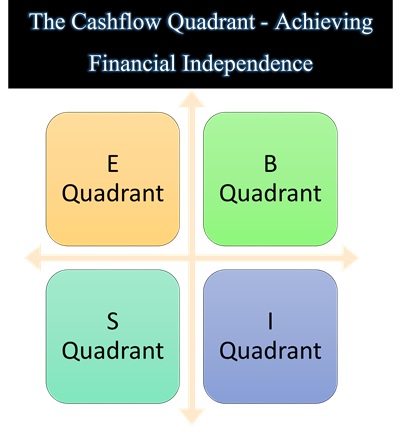
The Cashflow Quadrant – Achieving Financial Independence
Achieving financial independence is simple to understand with Robert Kiyosaki’s popular concept of the Cashflow…

Discover Bank – Online Savings Account Review
Interest rates for savings accounts are extremely low today and you want to be sure…

The Benefits of Creating a Side Income
The Benefits of Creating a Side Income Creating additional sources of income is a great…

What to Do with Your Old 401(k) When Switching Jobs
Your 401(k) is the ultimate savings vehicle, it’s an investment portfolio, a place where…

Best Personal Loans and Lending Rates for all Credit Types
Whether you gave good, fair, or bad credit, we put together a list of personal…

These Robo Advisors Make Investing Simple
Investing has always been a complicated but necessary obstacle, which everyone must do to in…
Should You Be Taking About Money and Finances At Home?
Kids… It’s Time For the Money Talk… We all know why having the “Birds and…

Your Money or Your Life by Vicki Robin – Book Review
Don’t feel like reading all of this review right now? You can Watch or Listen…

Males and Females Manage Wealth and Money Differently
Males and females tend manage their wealth and money differently. Both genders have budgets, save,…

How to Become Rich and Wealthy using Your Credit Report and Score – Part 1
Did you know that having a good credit report and credit score can help you…

Debt Management 101: How to Reduce Stress & Improve Your Finances!

BEST Budget Rules of Thumb Guide: Master Your Money in 2025

37 Best Ways to Make Money Fast (and Actually Enjoy It!)

My Experience Working As a Financial Advisor
My entire adult life I’ve had a passion for investing and building wealth. It was…

Domain Money Review: Pros, Cons and Special Features
Welcome to my detailed Domain Money review article (DomainMoney.com). In this Domain Money review, which…

Purchase Real Estate with No Down Payment: Using Other People’s Money
You don’t need to have money to begin real estate investing. There are several…

How To Invest Like Warren Buffett: Ultimate Guide! (2026 Update)
In the investment world Warren Buffett is known as a legend, everyone has heard of…

Copilot vs Personal Capital Review: Ultimate Guide to Personal Finance Apps
In this article, we compare Copilot vs Personal Capital (known today as the Empower Personal…

13 Best Ways to Invest $100
Investing is a great way to begin building wealth and securing your financial future. You…

3 thoughts on “Investing for Beginners Ultimate Guide: Financial Freedom 101”